
Pastor's Notes
Think 15:3

Paul calls this section Think 15:3 because Romans 15:3 is the center of his argument. Everything he writes builds around it. The goal: when frustration rises, when offense comes, when the urge to react takes over, think 15:3. Ask what it would look like to respond the way Christ did.
Context: Romans 14 addresses tensions among believers in the early church over secondary matters: ceremonial laws, dietary laws. Believers with stronger convictions were looking down on those with weaker consciences, and vice versa. Paul steps in to say this is not a salvation issue. It is a maturity issue. The stronger believer does not get to dictate terms to the weaker one. The stronger one bears with them, as Christ bore with us.
When You Respond Vertically, You Walk in Victory
Verse: Romans 15:1-2
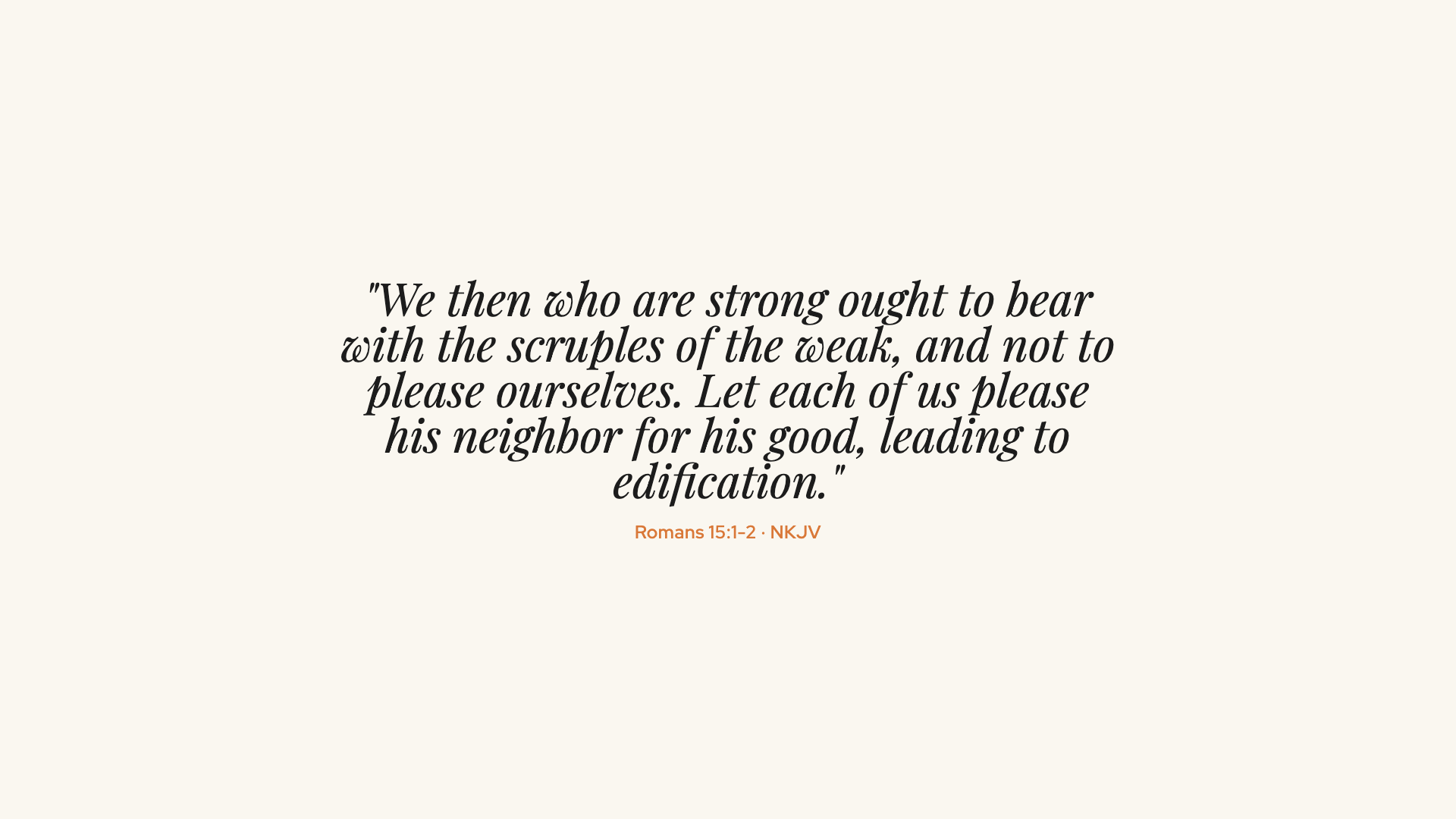
"We then who are strong ought to bear with the scruples of the weak, and not to please ourselves. Let each of us please his neighbor for his good, leading to edification."
Asthenes (Greek: ἀσθενής), "Weak"
Literally "without strength." The weakness Paul is describing is not about sincerity or spiritual value — it is about a conscience that has not yet settled on a particular matter. This is a stage of growth, not a rank.
This means we do not mock, pressure, or flaunt our freedom in ways that trip someone else up. We prioritize spiritual wellbeing over personal preference.
Bastazō (Greek: βαστάζω), "Bear With"
To physically carry a load. The same word appears in Galatians 6:2: "Bear one another's burdens." Paul is not saying tolerate the weak. He is saying get under the weight and carry it with them. This is active, not passive.
Oikodomē (Greek: οἰκοδομή), "Edification"
From oikos (house) + doma (to build). Literally: house-building. The goal is not just to avoid wounding someone — it is to actively build them up. Every interaction either contributes to construction or it does not.
Application:
- We do not mock, pressure, or flaunt our freedom in ways that trip someone else up
- We prioritize spiritual wellbeing over personal preference
- Caution prevents casualties. Carelessness creates casualties.
The Gym Spotter: A good spotter is attentive, protective, and encouraging. They do not mock weakness. They do not weaponize their strength against the person they are helping. Their entire role is to help someone grow stronger without getting crushed. That is the picture Paul is painting for how the strong should treat the weak.
Navy SEALs, Friendly Fire (Ramadi): Two groups on the same team, same mission, nearly engaged each other in combat because of poor communication and confusion. No one called in to God first. The application: how many of our conflicts are blue-on-blue? We lock in on the horizontal — the person, the offense, the argument — and escalate before we pray.
Key distinction — Weak Conscience vs. Legalism:
| Weak Conscience | Legalism |
|---|---|
| "I don't feel right doing this, so I won't." | "No Christian should ever do this." |
| Personal conviction in process | Man-made rule dressed as holiness |
| Deserves patience and consideration | Should not be submitted to |
- Toward a weak conscience: be patient, be considerate, do not pressure beyond their conviction
- Toward legalism: hold firmly to the gospel of freedom; do not come back under bondage
- A weak conscience can drift into legalism when a personal conviction becomes a universal rule
We need the Holy Spirit to help us tell the difference.

Aim for Christ, Not Selfish Allegiance
Verse: Romans 15:3
"For even Christ did not please himself; but as it is written, 'The reproaches of those who reproached You fell on Me.'"
Areskō (Greek: ἀρέσκω), "Please"
This word appears three times in Romans 15:1-3: "do not please yourself" (v. 1), "please your neighbor" (v. 2), "Christ did not please himself" (v. 3). Paul threads the same word through all three verses intentionally. The call is to redirect areskō — the drive to satisfy — away from self and toward others, with Christ as the model and the measure.
Two truths:
- Jesus willingly absorbed reproach directed toward God — not a passive victim, but active choice to accept shame for doing the Father's will
- The closer we follow Christ, the more we experience opposition. Integrity always stands against the culture of this world
Old Testament Root — Psalm 69:9: Paul quotes Psalm 69:9, which describes a righteous sufferer enduring hostility for devotion to God. "Zeal for Your house has eaten me up, and the reproaches of those who reproach You have fallen on me."
Two New Testament echoes:
- John 2:17 — After Jesus clears the temple, disciples remember this verse: Zeal for God's house consumed Him
- Romans 15:3 — Paul applies it to Christ's self-denial on behalf of others
Zēlos (Greek: ζῆλος), "Zeal"
Can mean passionate devotion or destructive jealousy — context determines which. In John 2, Jesus's zēlos is directed at the Father's honor, not at His own reputation or feelings.
Correcting a Common Misread — John 2 and the Temple: Many use the temple scene to justify anger: "Even Jesus lost his temper." This is wrong. Jesus was not defending His ego, reputation, or feelings. He was defending God's holiness and true worship. James 1:20: "Human anger does not produce the righteousness God desires." Jesus was fulfilling divine purpose, not venting emotion.
What Jesus Demonstrated: Forceful without being fleshy • Bold without being bitter • Passionate without being prideful
Evidence of His control: Silent before Pilate • Forgave His executioners from the cross • Washed disciples' feet the night before He died • Could have called down angels — chose not to
Prautēs (Greek: πραΰτης), "Meekness"
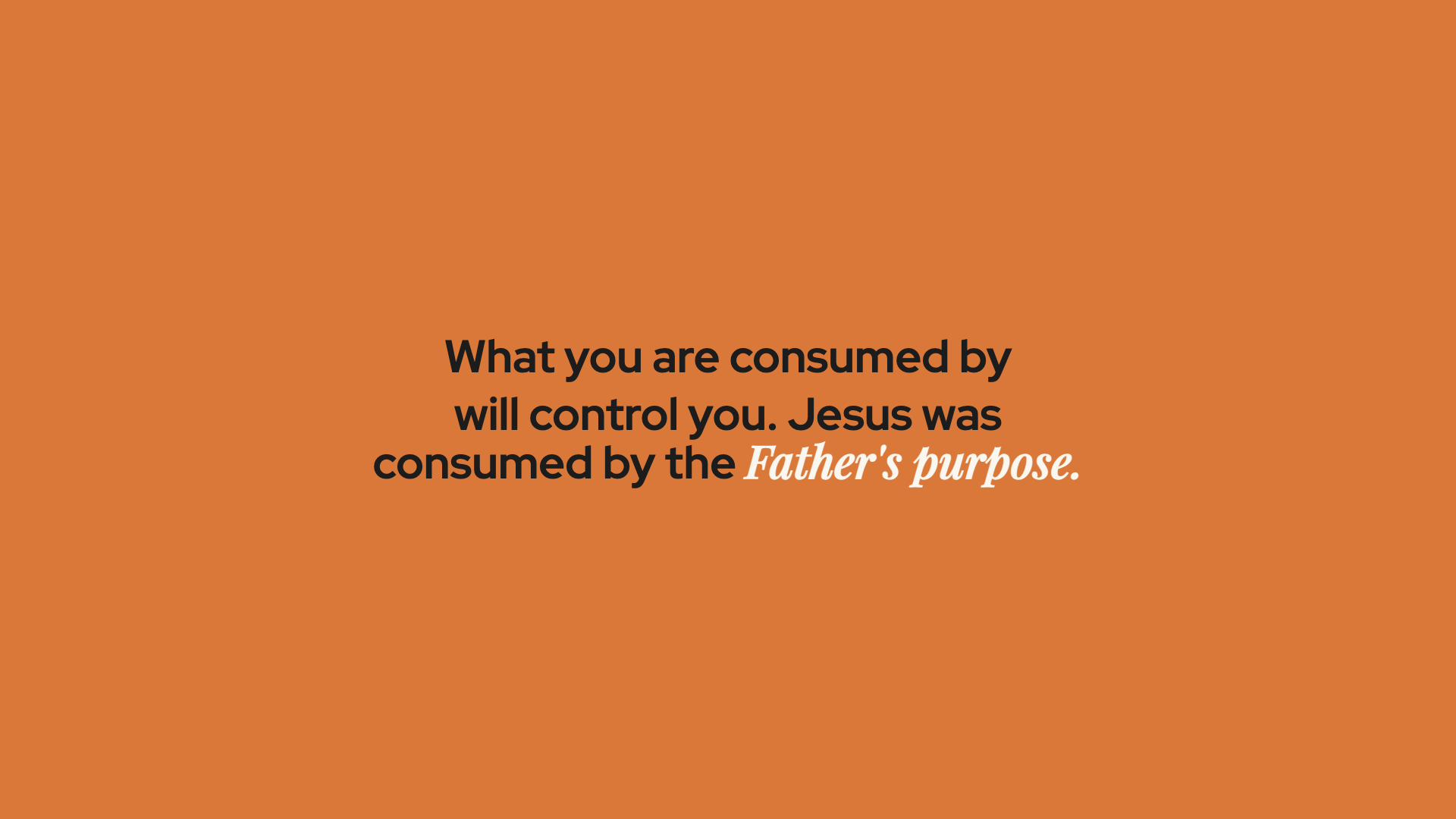
The Greek word comes from the image of a wild horse being trained — not broken, trained. All the horse's power and strength brought under voluntary submission to its rider. Meekness is not weakness. It is strength under control. The Holy Spirit gives us prautēs in moments when the flesh wants to take over — the ability to pause and ask, "Lord, how do You want me to handle this?" instead of acting on capability or desire.

Your Response Ability Is Your Responsibility
Verse: Romans 15:3
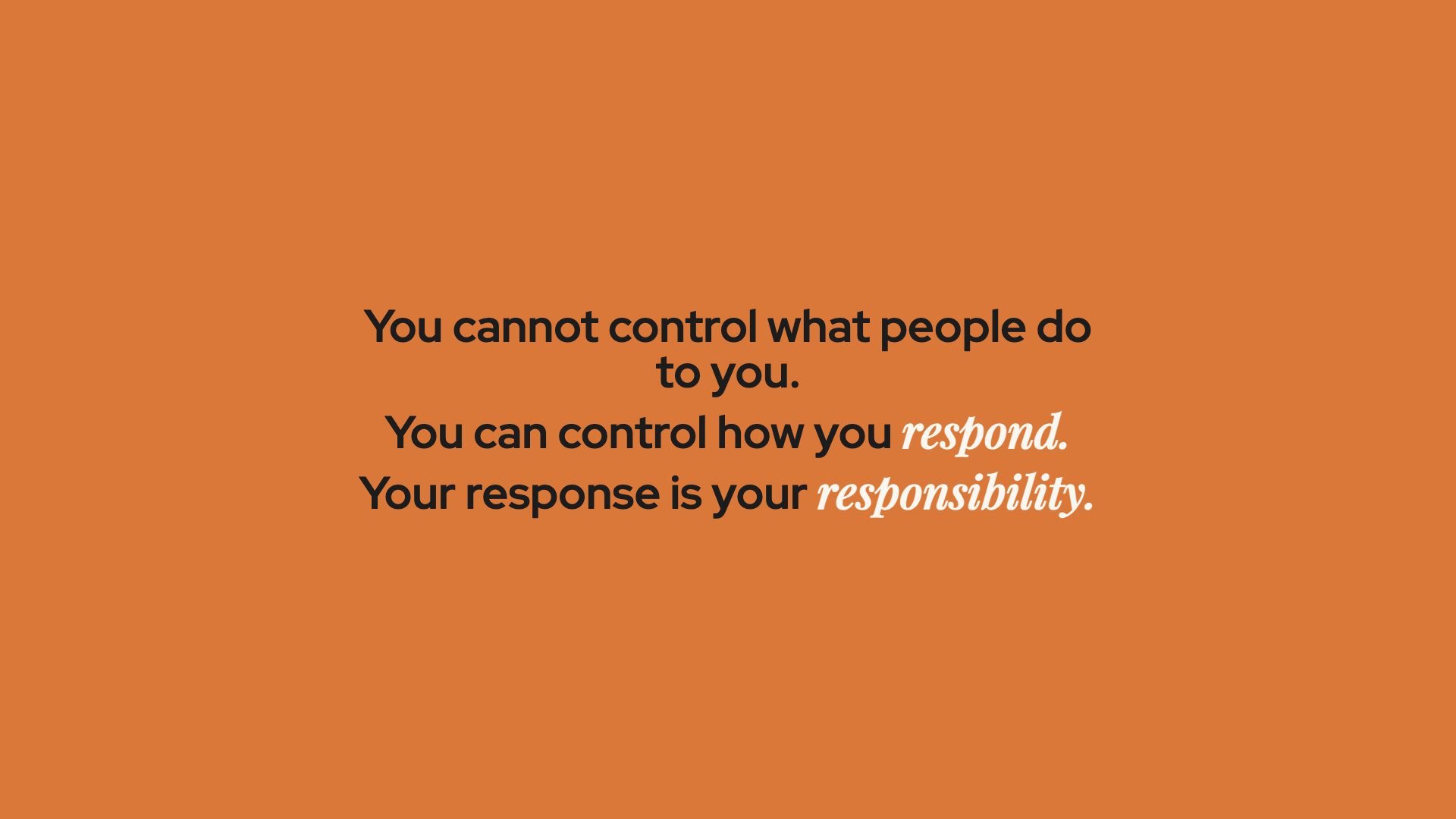
Key question: Not "What did they do?" but "How will I respond?"
The problem is not disagreement. The problem is responding to conflict without reflecting Christ. When we are the center of our thinking, our responses will reflect that.
Driving illustration:
- Someone drives slower than you: "This person drives too slow"
- Someone passes you: "This person drives too fast"
- We become the standard: my speed is right, my way is right
We do the same in conflict: my perspective is right, my side is correct. The solution: stop centering on "they're wrong" and start centering on "how do I respond like Christ?"
Path 1 (Wrong): Retaliate immediately • Escalate emotionally • Withdraw in bitterness • Prove yourself right
Path 2 (Immature): Suppress offense • Avoid conflict out of fear • Enable dysfunction through silence
Path 3 (Christ-like): Respond with wisdom • Absorb what love can redeem • Confront what love must correct • Refuse what love cannot enable
Sometimes Christ-like maturity means absorbing offense without multiplying conflict.
This does NOT mean:
- Enabling abuse
- Ignoring sin
- Abandoning truth
- Refusing healthy confrontation
Absorb what love can redeem — carry the weight without retaliation. Confront what love must correct — speak truth in season. Refuse what love cannot enable — maintain boundaries with wisdom.
The call is to strength rooted in Christ, not weakness rooted in fear.
The distinction — People-Pleasing vs. Christ-like Love:
| People-Pleasing | Christ-like Love |
|---|---|
| Avoids conflict out of fear | Acts from spiritual strength |
| Suppresses truth | Seeks truth and restoration |
| Loses boundaries under pressure | Sets boundaries with wisdom |
| Enables dysfunction | Confronts what love must correct |
| Seeks approval from people | Seeks to glorify God |
The trap of avoidance:
Fear of rejection, tension, and emotional pain can drive us into avoidance, distraction, and silent resentment. This can look like humility — it is often self-protection. When we don't walk in truth and love, we can go years without living out the identity God placed in us.
Romans 15:5-6: Now may the God of patience and comfort grant you to be like-minded toward one another, according to Christ Jesus, that you may with one mind and one mouth glorify the God and Father of our Lord Jesus Christ.
Hypomonē (Greek: ὑπομονή), "Patience"
Not passive waiting. Active, steadfast endurance under pressure. Holding ground while being pressed. The "God of patience" models the very thing He asks of us.
Paraklēsis (Greek: παράκλησις), "Comfort"
Same root as parakletos — the Holy Spirit, the Comforter and Advocate. The comfort in this passage is not vague reassurance. It is Spirit-empowered, personal, active.
Phronein (Greek: φρονεῖν), "Like-Minded"
Literally "to think the same thing." Paul's prayer is for aligned thinking, not just aligned behavior. Think 15:3 is Paul's own vocabulary — a call to let Christ govern the mind before the mouth responds.
The goal: One mind. One mouth. One voice. Glorifying the Father together.
The measure of Christian maturity:
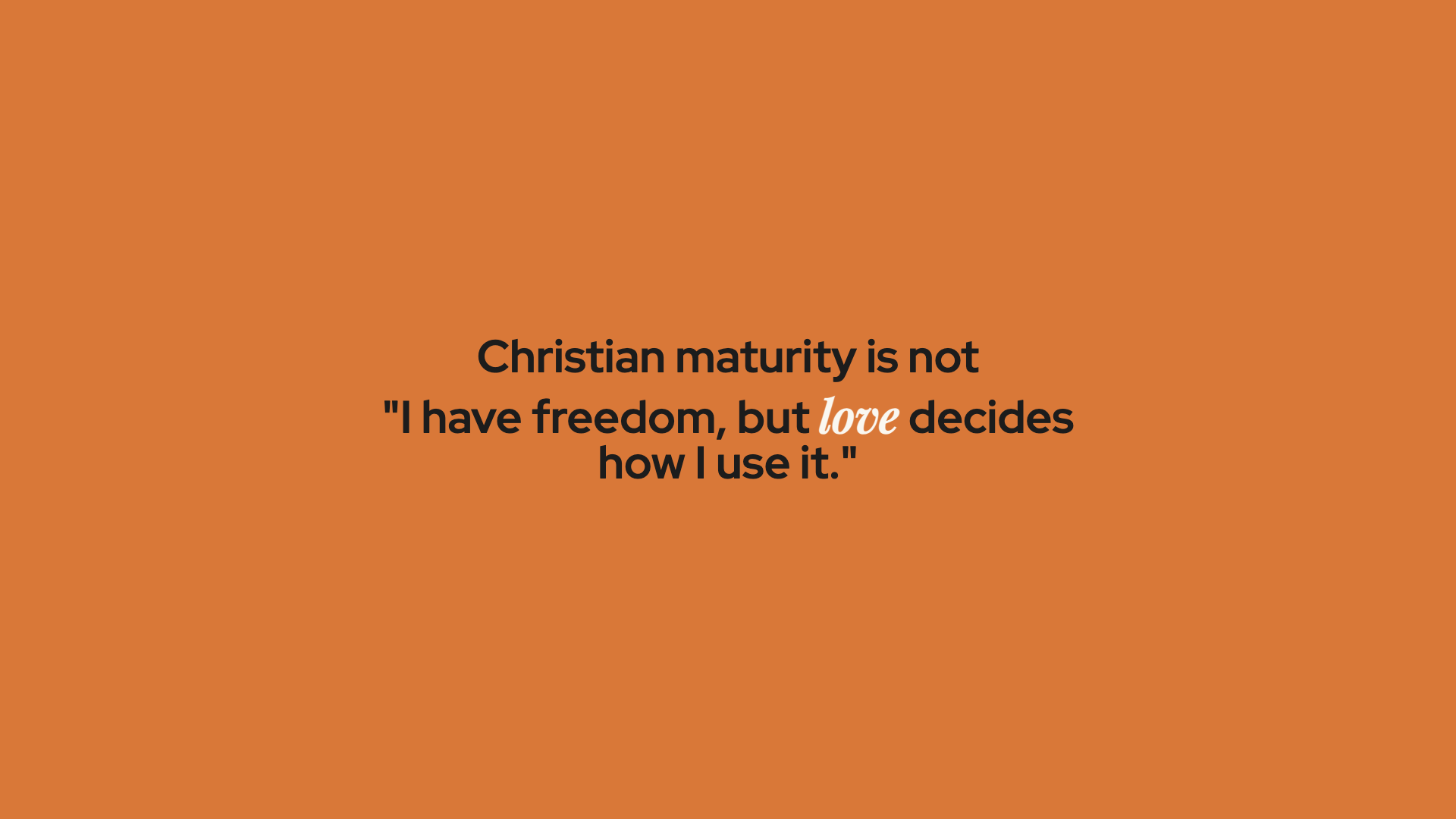
- Not how much freedom you claimed
- Not how right you were
- Not how well you defended yourself
- But how much you loved, how willingly you carried weight that wasn't yours, and how closely your response looked like His
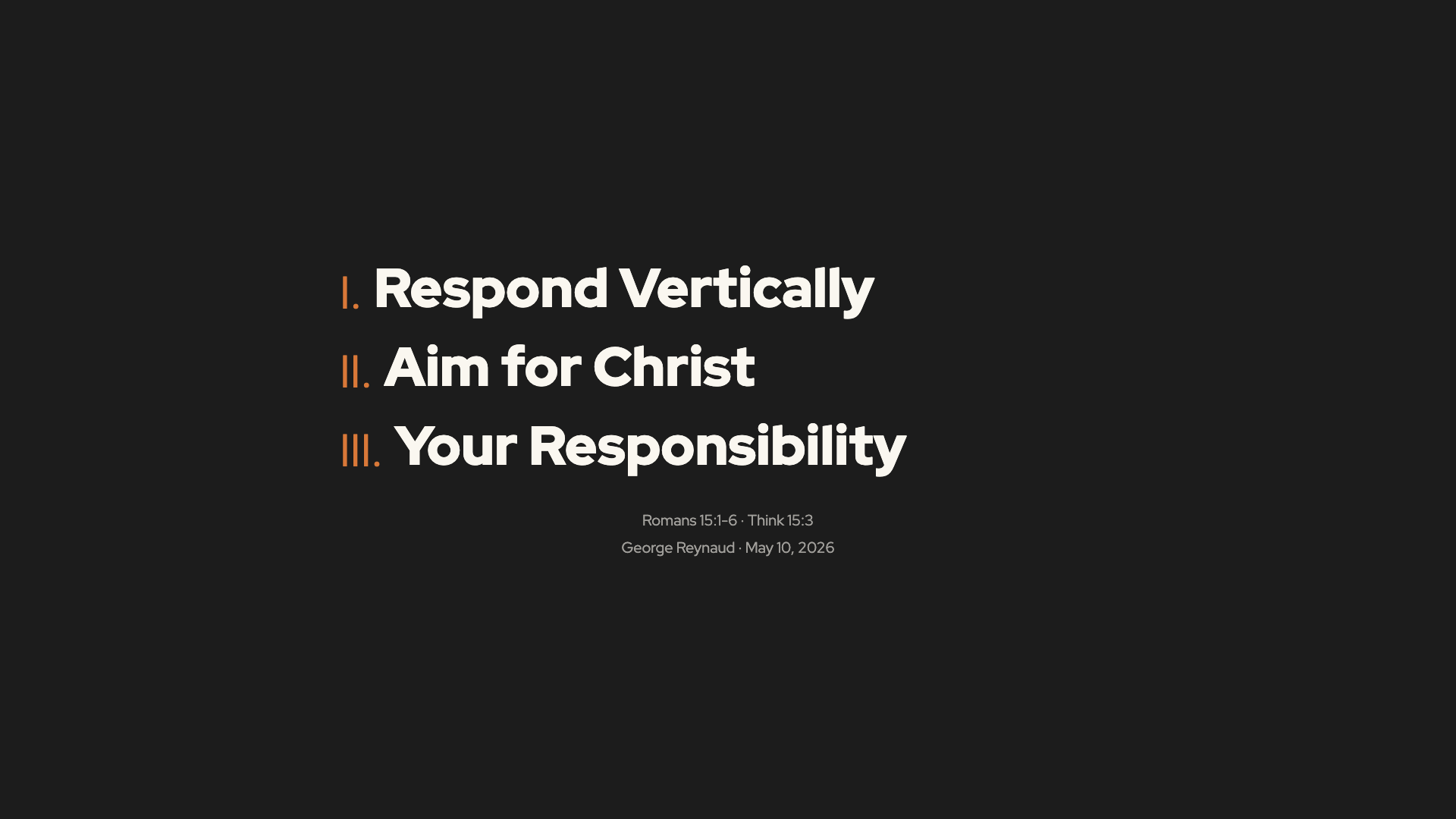
- When You Respond Vertically, You Walk in Victory — Go to God before you go to the fight
- Aim for Christ, Not Selfish Allegiance — Jesus is the definition of love, not merely the example
- Your Response Ability Is Your Responsibility — You reflect Christ; respond like Him
| English | Greek | Transliteration | Core Meaning |
|---|---|---|---|
| Weak | ἀσθενής | Asthenes | Without strength; conscience not yet settled |
| Bear With | βαστάζω | Bastazō | To physically carry a load |
| Edification | οἰκοδομή | Oikodomē | House-building; active construction |
| Please | ἀρέσκω | Areskō | To satisfy; appears 3x in vv. 1-3 |
| Zeal | ζῆλος | Zēlos | Passionate devotion (or jealousy, context determines) |
| Meekness | πραΰτης | Prautēs | Power under voluntary control |
| Patience | ὑπομονή | Hypomonē | Active endurance under pressure |
| Comfort | παράκλησις | Paraklēsis | Same root as Holy Spirit (Comforter) |
| Like-Minded | φρονεῖν | Phronein | To think the same thing |